
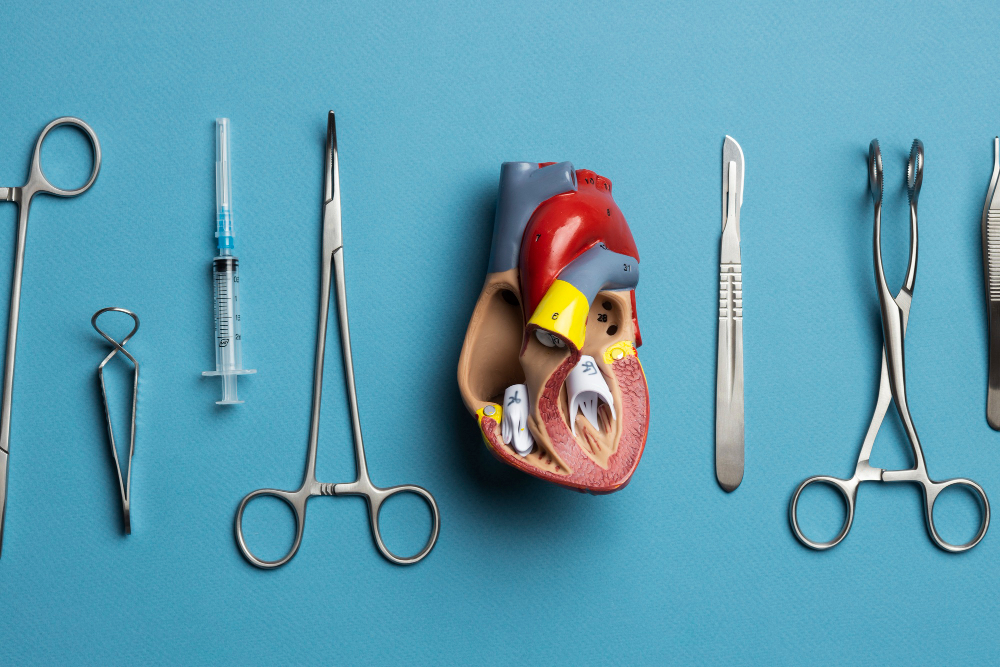
Surgical aortic valve replacement is a common heart surgery that saves lives. It helps people with serious heart valve problems. If your doctor says you need this surgery, you may feel worried. However, knowing what to expect can help you feel more at ease. In this blog, we explain surgical aortic valve replacement, why it is important, and who may need it. We also cover symptoms, causes, the procedure, recovery, and tips for heart health.
What Is Surgical Aortic Valve Replacement?
Surgical aortic valve replacement is a procedure to remove a damaged aortic valve in the heart. The surgeon replaces it with a new valve. This new valve can be made from metal or animal tissue. The aortic valve controls blood flow from the heart to the body. When it does not work well, the body does not get enough blood. This surgery helps restore normal blood flow and improves quality of life.
Symptoms and Conditions Leading to Surgery
Many people need this surgery because their aortic valve is not working right. Often, symptoms can be mild at first. But over time, they may get worse. Common symptoms and conditions include:
If you notice these symptoms, it is important to talk to your doctor. Early treatment can prevent serious problems.
Causes and Risk Factors
There are several reasons why the aortic valve may need to be replaced. Some common causes and risk factors are:
Because some risk factors cannot be changed, regular check-ups are important. However, healthy habits can lower your risk.
Diagnosis and Evaluation
Doctors use several tests to find out if you need surgical aortic valve replacement. These tests help them see how well your heart and valves are working. Common tests include:
After these tests, your doctor will discuss the best treatment plan for you.
The Surgical Procedure
Surgical aortic valve replacement is done in a hospital. The steps usually include:
After surgery, you stay in the hospital for several days. Nurses and doctors watch you closely. Most people start to feel better within a few weeks. However, full recovery can take several months.
Benefits and Potential Risks
Surgical aortic valve replacement has many benefits. But, like all surgeries, it also has risks. Here are some to consider:
Your doctor will talk with you about these risks before surgery. Most people do well after the procedure.
Recovery and Lifestyle Guidance
After surgery, recovery is important. Here are some tips to help you heal:
With time, most people return to normal activities. However, some may need cardiac rehab to build strength.
Prevention and Heart Health Tips
While not all valve problems can be prevented, you can protect your heart by:
These steps help keep your heart and valves healthy for years to come.
Frequently Asked Questions
References
Consult a qualified cardiologist or heart surgeon for personalized advice on surgical aortic valve replacement.