Septal defects are heart problems that some children are born with. Early diagnosis of septal defect in children is important for their health. When parents know the signs and how doctors find these defects, they can help their child get the right care. This guide explains what septal defects are, how to detect heart defects in kids, and what to expect during diagnosis.
What Is a Septal Defect?
A septal defect is a hole in the wall that separates the left and right sides of the heart. This wall is called the septum. Because of this hole, blood can flow in the wrong direction. There are two main types of septal defects in children:
Both types can affect how well the heart works. However, many children with small defects may not have symptoms at first.
Symptoms of Septal Defect in Children
Sometimes, septal defects are hard to notice. Still, parents should watch for these signs of septal defect in childhood:
If you notice any of these symptoms, it is important to talk to your child’s doctor.
How Are Septal Defects Diagnosed in Children?
Doctors use several steps to make the diagnosis of septal defect in children. Here is how the process usually works:
Each test helps doctors understand the type and size of the defect. As a result, they can plan the best treatment for your child.
When Should You See a Doctor?
It is always better to be safe. You should see a doctor if your child:
If you notice any of these warning signs, seek medical help right away. Early action can make a big difference.
What to Expect During Diagnosis
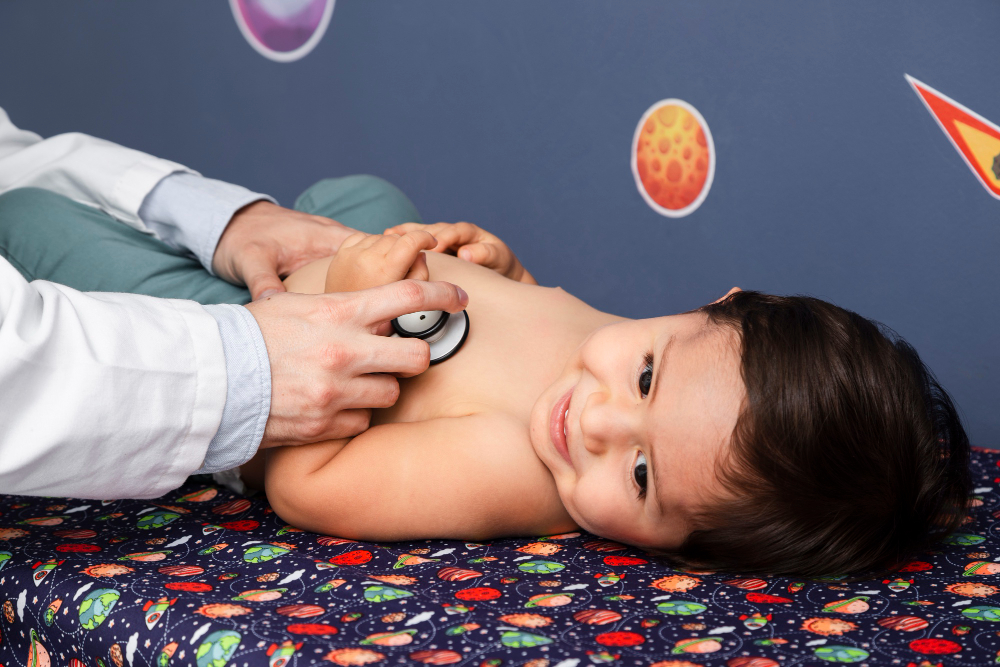
During the diagnosis, your child will visit a pediatric cardiologist. The doctor will ask about your child’s health and symptoms. Next, the doctor will do a physical exam and may order tests. Most tests are painless and quick. For example, an echocardiogram feels like an ultrasound. Your child may need to lie still for a few minutes. Sometimes, the doctor may use stickers on the chest for an ECG. Parents can stay with their child during most tests. This helps children feel safe and calm.
Conclusion and Call-to-Action
In summary, early diagnosis of septal defect in children can help prevent serious problems. Watch for signs like fast breathing, poor feeding, or blue lips. If you notice any symptoms, do not wait. Consult a pediatric cardiologist for personalized guidance on septal defects in children.